Powering a Sustainable Future
Leading the transition to renewable energy with innovative infrastructure solutions for ammonia, hydrogen, biofuels, and carbon capture.
Shaping a Sustainable Future
At Concord, we recognize that the energy landscape is transforming. As a responsible infrastructure provider, we are actively shaping a sustainable future by advancing partnerships and developing infrastructure solutions for new energies.
Our energy transition strategy focuses on five key areas: hydrogen and ammonia, biofuels, carbon capture and storage, battery storage, and LNG as a transitional fuel. We're investing in infrastructure that will support the global shift to net-zero emissions.
Investment through 2030
Million USD in green infrastructure
Five Pillars of Energy Transition
Building the infrastructure for tomorrow's energy needs
Hydrogen & Ammonia
Developing storage and handling infrastructure for green hydrogen and ammonia as clean energy carriers for power generation and marine fuel.
- Liquid hydrogen storage
- Ammonia cracking facilities
- Import/export terminals
Biofuels
Storage and blending facilities for sustainable aviation fuel (SAF), renewable diesel, bio-methanol, and other advanced biofuels.
- SAF storage & blending
- Biodiesel terminals
- Bio-methanol handling
Carbon Capture & Storage
Developing infrastructure for CO₂ capture, liquefaction, temporary storage, and transport to permanent sequestration sites.
- CO₂ liquefaction
- Temporary storage
- Pipeline transport
Battery Energy Storage
Grid-scale battery storage systems to stabilize renewable energy supply and support the transition to intermittent power sources.
- Grid-scale BESS
- Peak shaving
- Renewable integration
LNG as Transition Fuel
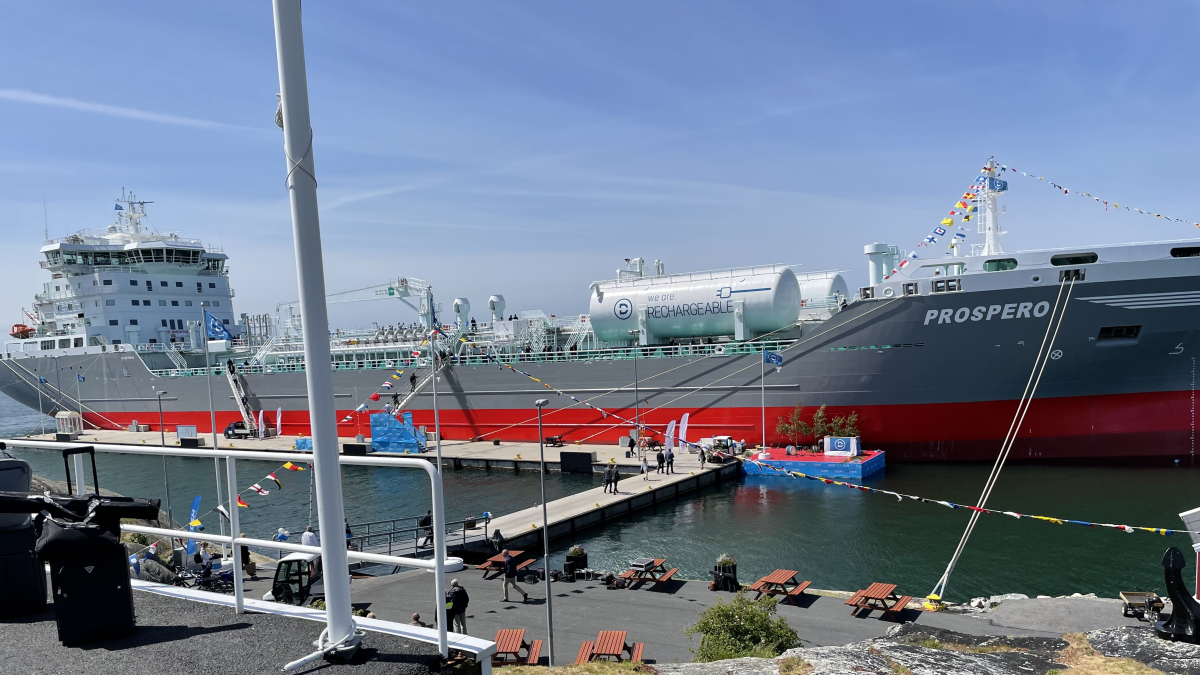
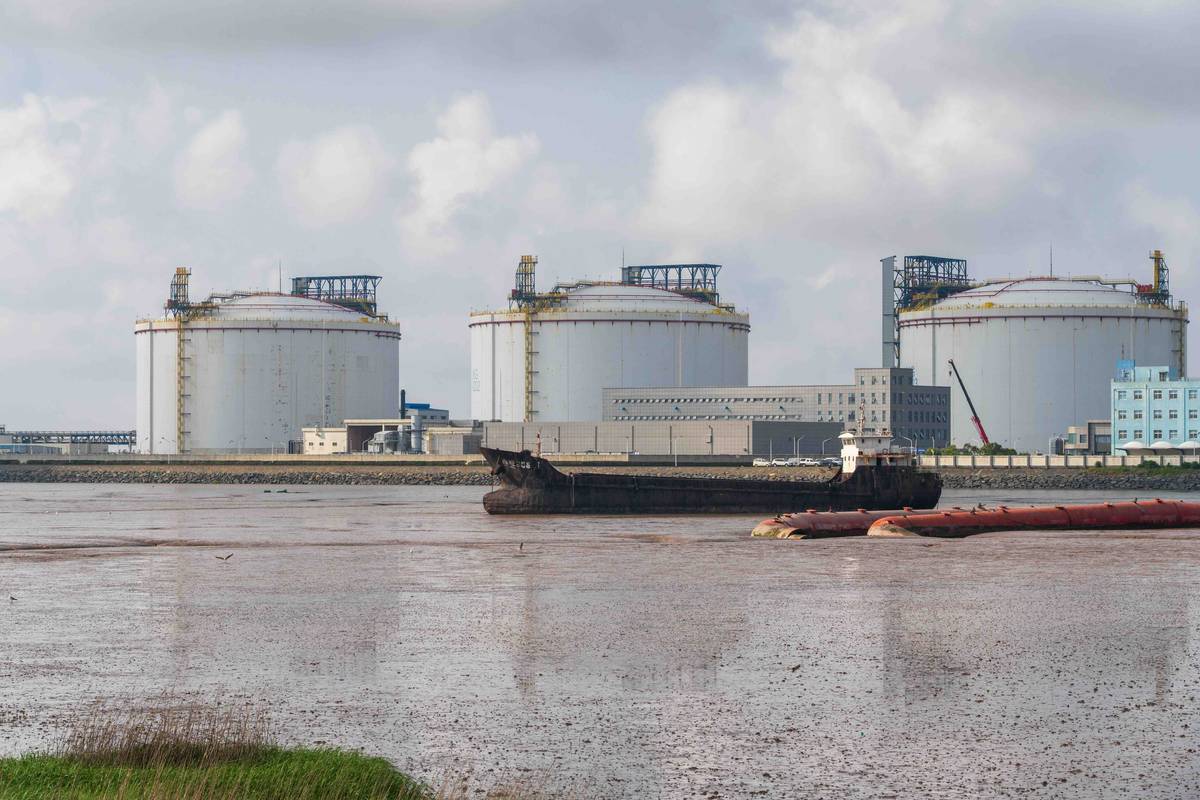
Expanding LNG terminal capacity as a lower-carbon bridge fuel, with infrastructure designed for future conversion to hydrogen.
- Import terminals
- Small-scale LNG
- Bio-LNG readiness
Circular Economy
Investing in chemical recycling and circular solutions for plastics and other materials, closing the loop on waste.
- Chemical recycling
- Circular feedstocks
- Waste-to-value
Building the Hydrogen Economy
Hydrogen is set to play a crucial role in the energy transition, particularly for hard-to-abate sectors and as a storage medium for renewable energy. Concord is developing comprehensive hydrogen infrastructure across the value chain.
Storage
Developing salt caverns and pressurized tank storage for green hydrogen
Import/Export
Terminals for liquid hydrogen and ammonia as hydrogen carriers
Distribution
Pipeline networks and truck loading facilities for local distribution
End-Use
Industrial offtake and fuel cell applications
Key Partnerships

Powering Greener Flight
The aviation industry accounts for approximately 2.5% of global CO₂ emissions. Sustainable Aviation Fuel (SAF) is the most promising near-term solution for decarbonizing air travel, offering up to 80% lifecycle emissions reduction compared to conventional jet fuel.
SAF Blending
Dedicated tanks and blending systems at major airport hubs
Feedstock Flexibility
Handling HEFA, FT, and alcohol-to-jet pathways
Book & Claim
Chain-of-custody systems for SAF certificates
Aviation Partners
Carbon Capture & Storage
Developing infrastructure for the permanent storage of CO₂
Capture
Partnering with industrial emitters to capture CO₂ at source - from refineries, power plants, and chemical facilities.
Liquefaction
Converting captured CO₂ into liquid form at our terminals for efficient transport and temporary storage.
Transport
Shipping liquid CO₂ via specialized vessels or pipelines to permanent storage sites.
Storage
Injecting CO₂ into deep geological formations for permanent sequestration.
Active CCS Projects
Battery Energy Storage Systems
As renewable energy penetration increases, grid-scale battery storage becomes essential for managing intermittency and ensuring reliable power supply. Concord is developing BESS projects at key locations.
Applications:
Circular Economy Solutions
We're investing in technologies that convert waste streams into valuable feedstocks, closing the loop on materials and reducing reliance on virgin resources.
Chemical Recycling
Converting plastic waste into pyrolysis oil for new plastics production
Waste-to-Fuels
Municipal and industrial waste conversion to biofuels
Solvent Recovery
Recycling industrial solvents for reuse
Energy Transition Innovation Hub
Collaborating with startups, research institutions, and industry partners
R&D Partnerships
Collaborating with leading universities on next-generation energy storage and conversion technologies
Digital Twins
Using AI and digital twin technology to optimize terminal operations and reduce emissions
Green Startups
Venturing and pilot programs for promising clean technology startups
Carbon Accounting
Developing blockchain-based carbon tracking for Scope 3 emissions
Our Energy Transition Journey
First SAF Terminal
Rotterdam terminal certified for SAF blending and storage
BESS Commissioning
50 MWh battery storage system online in Texas
CCS Hub Launch
Houston CCS hub begins CO₂ injection
Hydrogen Terminal
First liquid hydrogen import terminal operational
50% Emissions Reduction
Scope 1 & 2 emissions halved from 2020 baseline
Net Zero Operations
Carbon neutral across all operations
Our Transition Partners
Partner with Us in the Energy Transition
Whether you're developing a clean energy project or seeking sustainable infrastructure solutions, we're ready to collaborate.